In our fast-paced world, we often take our health for granted until something goes wrong. For many of us, a doctor’s appointment is just a phone call away.
But for millions of people living in remote villages or underserved urban pockets, healthcare isn’t a convenience; it’s a luxury.
This is where the concept of the "Health Camp" comes in. Over the last decade, these mobile medical initiatives have evolved from simple check-up booths into powerful engines of social change.
They are no longer just about handing out a few pills; they are about shifting the mindset of entire communities toward long-term wellness.
Breaking the Barrier of Distance and Fear
One of the biggest hurdles in global health isn’t always a lack of medicine it’s a lack of access. In many rural areas, the nearest hospital might be a day’s journey away.
When you’re a daily wage laborer or a small-scale farmer, losing a day of work to travel for a "minor" ache seems impossible. So, people wait.
They wait until a small cough becomes chronic or a faint dizzy spell leads to a collapse.
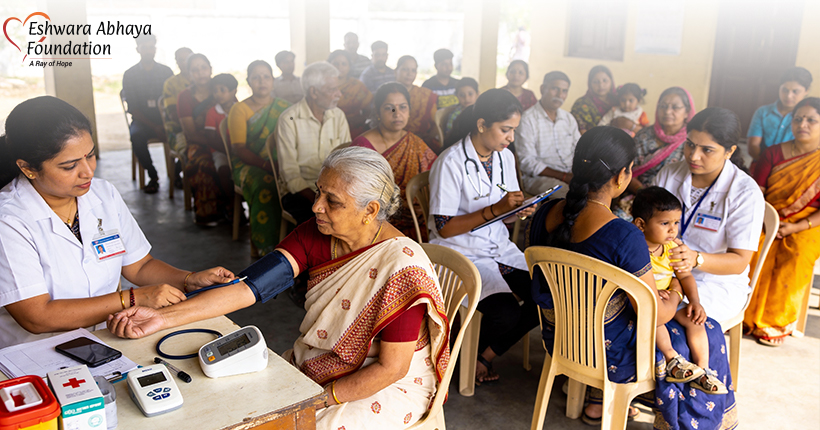
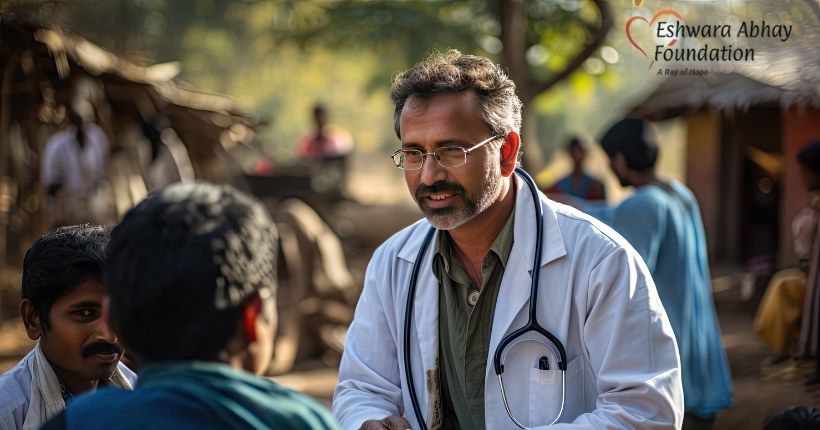
Health camps change this dynamic by bringing the hospital to the doorstep of the people.
When a medical team sets up in a local school or a community center, the "fear" of the big hospital fades away. It’s a familiar environment.
This proximity encourages people who have never seen a doctor in their lives to step forward and get checked.
Prevention is Better Than a Late Cure
The real magic of health camps lies in early detection. Many lifestyle diseases, like hypertension and diabetes, are "silent killers."
They don't show dramatic symptoms until they’ve already done significant damage to the body.
During a routine health camp, a simple blood pressure cuff or a quick sugar prick can identify a problem years before it becomes a crisis.
By catching these issues early, health camps save lives and prevent families from falling into debt due to emergency surgeries or long-term hospitalizations later on.
It is heartening to see organizations like the Eshwara Abhaya Foundation taking this mission to heart.
Through their dedicated efforts, they’ve been working on the ground to provide essential medical screenings and support to those who need it most.
By integrating themselves into the community, they aren't just outsiders providing a service; they are partners in the people's well-being.
Their focus on reaching the "unreached" highlights exactly why these camps are so vital for a balanced society.
Beyond Medicine: Education and Awareness
A health camp is more than just a place to get a prescription. It’s a classroom.
Most health issues in rural or impoverished areas stem from a lack of information unclean drinking water, poor menstrual hygiene, or nutritional deficiencies.
When a doctor or nurse sits down with a patient at a camp, they do more than just diagnose. They talk.
They explain the importance of washing hands, the benefits of a balanced diet, and the need for vaccinations.
This personal interaction builds trust. When a mother learns about the importance of iron-rich foods for her child, that knowledge stays in the household forever.
It’s a ripple effect: one healthy individual leads to a healthy family, which eventually leads to a healthy village.
The Human Connection
What makes health camps truly special is the "human feel." In a massive city hospital, patients often feel like just another number on a file. In a community health camp, there is a sense of solidarity.
Volunteers, many of whom are from the same community, help elderly neighbors walk to the registration desk. Local youths help set up the tents.
There is a shared sense of purpose. For many doctors and medical students, volunteering at these camps is a reminder of why they chose medicine in the first place to serve and to heal.
This empathy is the heartbeat of community wellness. It’s not just about the clinical data; it’s about making someone feel seen and cared for.
The Road Ahead
While health camps are making a massive difference, the journey doesn't end when the tents are packed up.
The next step in community wellness is ensuring follow-up care.
Modern health camps are now using digital records to track patients, ensuring that someone diagnosed with a condition today gets the specialized treatment they need tomorrow.
The shift we are seeing is a move from "sick-care" to "healthcare."
We are moving away from a world where we only fix what is broken and toward a world where we maintain the body like the temple it is.
In conclusion
Community wellness is a collective responsibility. It shouldn’t matter where you were born or how much you earn; everyone deserves a fair shot at a healthy life.
Health camps are the bridges connecting those who have medical expertise with those who have been left behind.
As we look to the future, supporting initiatives like those run by the Eshwara Abhaya Foundation becomes even more important.
By bringing care, compassion, and education to the grassroots level, we aren't just treating diseases we are building a stronger, more resilient foundation for the generations to come.
Next time you see a health camp being organized in your area, remember that it’s more than just a temporary setup.
It is a sign of hope, a lesson in health, and a giant leap toward a world where wellness belongs to everyone.


.jpg)
.jpg)