Healthcare should not depend on where you are born. Yet, for millions of people, their postal code quietly decides how quickly they see a doctor, how far they must travel for treatment, and sometimes, how serious an illness becomes before help arrives.
The divide between rural and urban healthcare is not just a systemic issue; it is a human one, affecting everyday lives in visible and invisible ways.
Understanding this gap is the first step toward closing it.
Two Worlds, One System
In urban areas, healthcare is often just around the corner. Multi-specialty hospitals, diagnostic centres, pharmacies, and emergency services operate around the clock.
Appointments can be booked online, ambulances arrive faster, and specialists are readily available.
Contrast this with rural regions, where accessing to basic healthcare can involve long journeys, missed workdays, and uncertainty.
A single Primary Health Centre may serve several villages. Specialists are rare, diagnostic facilities limited, and emergency care is often delayed due to distance and infrastructure challenges.
This isn’t about comfort; it's about access, timeliness, and outcomes.
Why the Gap Exists
1. Infrastructure Limitations
Healthcare infrastructure in rural areas often struggles to keep pace with growing needs. Many centres lack modern equipment, regular medicine supply, or even adequate staffing.
When facilities exist, they may not be fully functional year-round.
As a result, treatable conditions sometimes escalate simply because early diagnosis was unavailable.
2. Shortage of Healthcare Professionals
Most doctors and healthcare workers gravitate toward cities due to better career opportunities, facilities, and quality of life. Rural postings are often seen as temporary or less desirable.
This shortage means villagers may rely on visiting doctors, overworked staff, or informal healthcare providers, increasing the risk of delayed or incorrect treatment.
3. Financial Barriers
Healthcare costs can be overwhelming, especially for families dependent on daily wages or seasonal income. Travel expenses, diagnostic tests, and medicines add to the burden.
In many cases, people delay treatment not because they don’t want care but because they can’t afford to seek it immediately.
4. Awareness and Health Literacy
Access to information plays a crucial role in health outcomes. Urban populations are more exposed to awareness campaigns, preventive screenings, and health education.
In rural areas, lack of awareness about symptoms, vaccinations, maternal care, and chronic diseases often leads to late diagnosis. Preventable conditions become life-threatening simply due to a lack of information.
The Real Cost of the Gap
The rural-urban healthcare divide has consequences beyond individual health.
-
Higher maternal and infant mortality rates
-
Late detection of chronic illnesses
-
Increased financial stress on families
-
Loss of productivity due to untreated illness
When healthcare is inaccessible, the ripple effects touch families, communities, and the economy at large.
What Can Be Done: Practical Solutions That Matter
Closing the healthcare gap doesn’t require one big miracle; it requires consistent, thoughtful action.
1. Strengthening Rural Healthcare Infrastructure
Investing in well-equipped health centres is essential. This includes reliable electricity, diagnostic tools, emergency facilities, and consistent medicine supply.
Healthcare buildings alone are not enough; they must be supported with systems that ensure continuity of care.
2. Encouraging Healthcare Professionals to Serve Rural Areas
Incentives such as better pay, housing, career advancement opportunities, and recognition can encourage doctors and nurses to work in rural regions.
Long-term solutions involve integrating rural service into medical education and making it a valued career path rather than a temporary obligation.
3. Using Technology to Bridge Distance
Telemedicine has the power to transform rural healthcare. Virtual consultations allow patients to access specialists without traveling long distances.
Mobile health units can bring diagnostics and screenings directly to villages.
Technology, when used thoughtfully, can reduce delays and save lives.
4. Community-Based Health Awareness
Awareness is one of the most cost-effective healthcare tools. Educating communities about hygiene, nutrition, vaccinations, maternal health, and early symptoms of common illnesses empowers people to seek help sooner.
Health literacy creates informed patients, and informed patients make better health decisions.
Role of Social Organizations
Alongside government initiatives and private healthcare providers, social organizations play a critical role in reaching underserved populations.
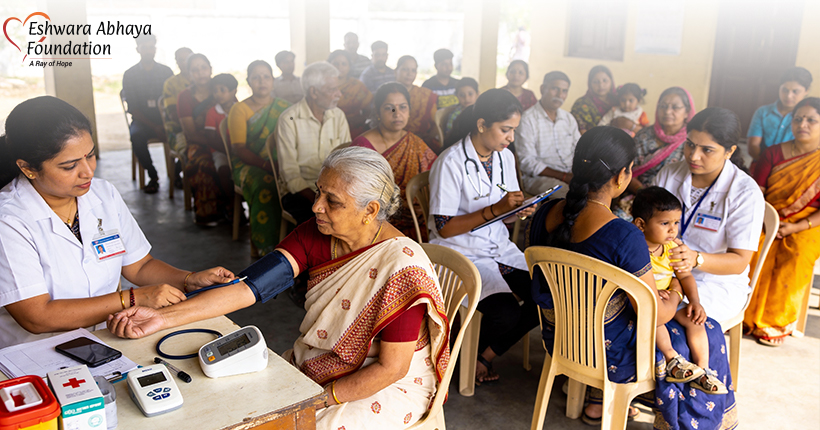
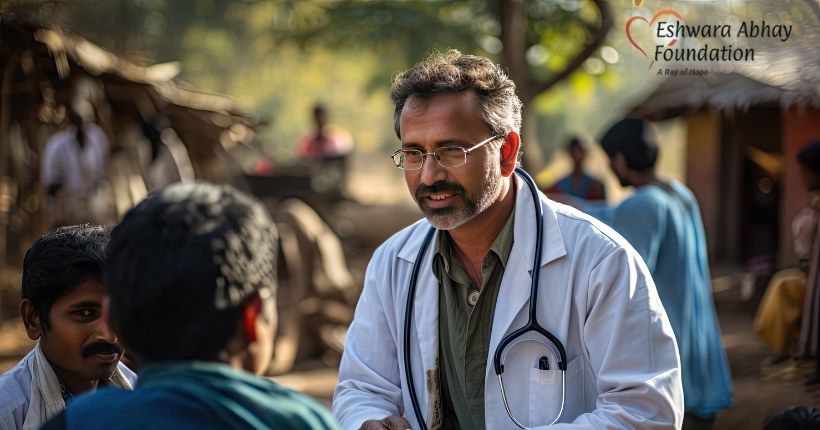
Organizations such as Eshwara Abhaya Foundation contribute by conducting health camps, spreading awareness, and supporting communities that may otherwise remain outside the formal healthcare system.
These efforts, even when small in scale, help bridge immediate gaps while larger systems evolve.
A Shared Responsibility
The healthcare gap between rural and urban areas cannot be solved by one sector alone.
-
Governments must invest in infrastructure and policy.
-
Healthcare professionals must be encouraged and supported.
-
Technology must be made accessible and affordable.
-
Communities must be empowered with knowledge.
-
Civil society organizations must continue grassroots engagement.
When these elements work together, progress becomes possible.
Looking Ahead
Healthcare equity is not an abstract goal, it's a measurable necessity. A healthier rural population leads to stronger communities, reduced migration stress on cities, and a more balanced healthcare system overall.
Bridging the rural-urban healthcare gap means recognizing that health is not a privilege reserved for proximity or wealth.
It is a basic human right that deserves equal attention, whether someone lives in a high-rise apartment or a remote village.
The path forward may be long, but with sustained effort, collaboration, and compassion, a future where quality healthcare is accessible to all is not just hopeful; it is achievable.


.jpg)
.jpg)