Education for Underprivileged Children in India

For many children in India, childhood is not about school bags and classrooms. It is about survival.

Children of daily wage workers, people experiencing homelessness, and families in extreme poverty often grow up without access to consistent education. School becomes optional. Work becomes necessary.

But when education enters their lives, even in the simplest form, everything begins to shift.

Who Are These Children Often Left Behind

Underprivileged children come from backgrounds where education is not easily accessible.

This includes:

  • Children of daily wage laborers
  • Children living on the streets or in temporary shelters
  • Children from migrant families
  • Children of individuals facing extreme hardship or abandonment

For these children, the barriers are not just financial. They are structural, social, and often emotional.

Why Education Matters More for Them

1. Breaking the Cycle of Poverty

Without education, children often follow the same path as their families.

Education introduces:

Better job opportunities
Higher earning potential
Long-term financial stability

It gives them a chance to choose a different life.

2. Creating Stability in Uncertain Environments

For children growing up in unstable conditions, school becomes more than a place to learn.

It becomes:

  1. A safe environment
  2. A structured routine
  3. A space for emotional development

Sometimes, it is the only stable part of their day.

3. Building Confidence and Identity

Many underprivileged children grow up feeling invisible.

Education helps them:

  1. Express themselves
  2. Build self-worth
  3. Develop a sense of identity

It tells them that they matter.

4. Protecting Children from Exploitation

Lack of education increases vulnerability.

Children out of school are at higher risk of:

  1. Child labor
  2. Early marriage
  3. Exploitation

Keeping children in school is one of the most effective forms of protection.

Key Challenges in Providing Education

1. Financial Pressure on Families

When survival depends on daily income, sending a child to school can feel like a loss of earnings.

Families often prioritise immediate needs over long-term benefits.

2. Lack of Access and Infrastructure

Many children do not have access to:

Nearby schools
Basic learning materials
Transportation

Even when schools exist, consistency becomes a challenge

3. Irregular Attendance

Migrant families frequently relocate for work.

This disrupts:

Academic continuity
Social development
Learning progress

4. Social Barriers

Stigma, lack of awareness, and generational poverty often discourage education.

For some families, education is still seen as a luxury rather than a necessity.

How NGOs Are Driving Change

Non-governmental organizations are often the bridge between these children and education.

They work by:

  1. Providing free or subsidized education
  2. Distributing books, uniforms, and learning materials
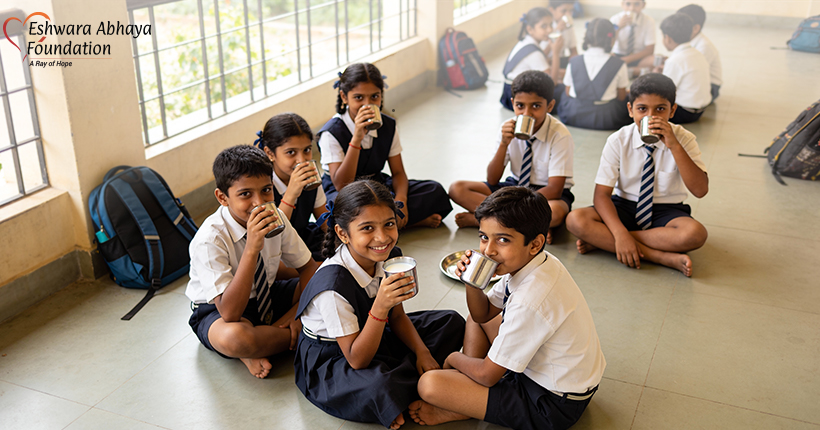
  3. Offering meal programs to support nutrition
  4. Creating safe learning spaces within communities

Most importantly, they build trust with families and encourage long-term commitment to education.

Education for underprivileged children is not just about literacy. It is about dignity, opportunity, and the ability to imagine a better future.

Every child who steps into a classroom instead of a worksite is a step toward a more equal society.

The real impact of education is not seen in marks or certificates. It is seen in the lives that change because someone chose to give a child a chance.

Our Blogs

Why Community Engagement is the Secret to Sustainable Development  

See how local ownership and community engagement drive lasting social impact and inclusive growth.

Read More
Empowering Women: The Heart of Rural Growth

Empowering women, transforming rural lives.

Read More

Youth Skill Development Programs for Career Growth

Learn how youth skill development programs help young people gain practical skills, build confidence, and create better career opportunities for a successful future.

Read More
Improving Rural Healthcare: The Impact of Health Camps

See how Eshwara Abhaya Foundation health camps bring life-saving medical care to those who need it most.

Read More
The Journey of Rural Children Towards a Brighter Future

Empowering rural children through education, health, and opportunity.

Read More
How Small Acts of Kindness Create Lasting Impact

Small acts of kindness can quietly change lives and strengthen communities.

Read More
Women Empowerment Initiatives by Eshwara Abhaya Foundation

Empowering women through education, healthcare, and skill development to build stronger communities.

Read More
The Importance of Social Service

A quick look at why social service matters and how small acts create big impact.

Read More

How Education Transforms Rural India

Empowering rural India through education

Read More

Touching and Transforming Lives: Eshwara Abhaya Foundation

Transforming lives through service and compassion

Read More

Eshwara Abhaya Foundation has been established to help the needy and underprivileged. To create a sustainable change that helps the individuals live with true dignity and sense of happiness. We aim to create programmes, and community driven grassroots initiatives that can help the society revolutionize the way we help our fellow human beings.

Copyright © 2026 VSNAP Technology Solutions Pvt Ltd.